A Pilgrimage Rooted in Devotion, Not Rush
The Vaishno Devi Yatra is one of the most spiritually significant journeys for Indian families. For many, it is not merely a trip but a deeply emotional milestone — a prayer fulfilled, a promise kept, or a moment of gratitude expressed. Yet, without careful preparation, what should be a peaceful pilgrimage can become physically draining and logistically overwhelming. A calm planning approach transforms the yatra into an experience of clarity, devotion, and comfort.
Begin with Clarity and Preparation
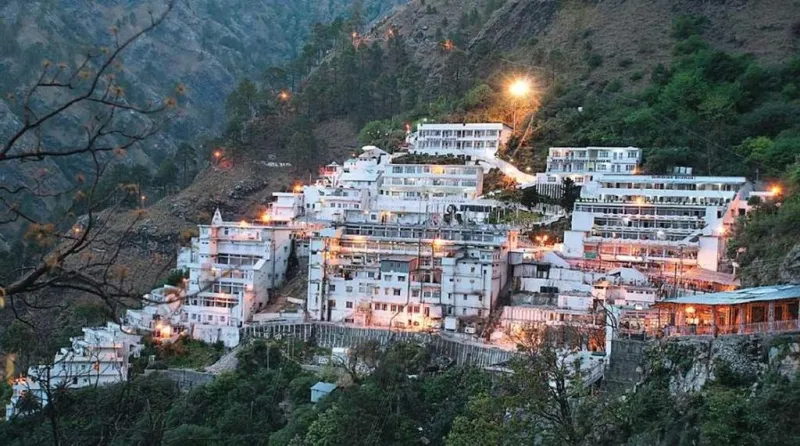
The foundation of a smooth Vaishno Devi Yatra lies in advance planning. Registration should always be completed beforehand to avoid unnecessary delays. Accommodation in Katra should be secured early, particularly during peak seasons such as Navratri and summer holidays. Choosing a hotel close to the starting point of the trek reduces fatigue and allows the family to rest adequately before beginning the ascent.
Families traveling with elderly parents or young children should carefully assess physical readiness. While many complete the 13-kilometre trek comfortably, others may prefer helicopter services, battery-operated vehicles, or pony arrangements. There is no single “right” way to undertake the yatra. The objective is not speed, but spiritual fulfilment achieved with dignity and safety.
Choosing the Right Time to Travel
Season selection significantly influences the experience. March to June offers manageable weather conditions, though it is relatively crowded. September to November provides a balance of pleasant temperatures and moderate footfall. Winter months bring fewer crowds but require preparation for colder conditions at higher altitudes.
Traveling during less congested periods often allows for quieter darshan and a more reflective atmosphere. For families seeking spiritual depth rather than festival energy, avoiding peak crowd days can make a meaningful difference.
Designing a Comfortable Itinerary
A thoughtful itinerary prevents exhaustion. Arriving in Katra a day before the trek allows time to acclimatise and rest. The climb should be paced realistically, with planned breaks at designated resting points. Hydration, light meals, and comfortable footwear are essential.
Post-darshan rest is equally important. Scheduling departure travel immediately after completing the trek often leads to fatigue. A buffer night in Katra or nearby Jammu allows the family to recover before returning home.
Health and Safety Considerations
Carrying essential medications, maintaining steady hydration, and dressing in layered clothing are simple yet critical steps. Weather conditions can change quickly in mountainous terrain. Planning for contingencies ensures peace of mind.
For elderly pilgrims, consulting a physician before travel is advisable. Gradual walking preparation weeks before departure can also improve stamina and confidence.
The True Meaning of a Calm Pilgrimage
A pilgrimage is not measured by how quickly it is completed, but by the serenity with which it is experienced. When logistics are managed thoughtfully, families are free to focus on prayer, gratitude, and togetherness.
At Bookmywings, we believe spiritual journeys deserve structured clarity and compassionate planning. The Vaishno Devi Yatra becomes profoundly meaningful when the path is approached with patience, preparation, and purpose. In the end, devotion flows most peacefully when the journey itself feels composed.