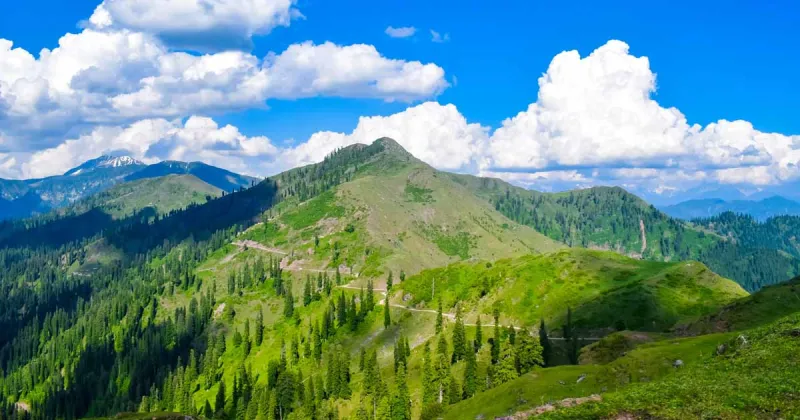
When families imagine Kashmir, they often picture snow-covered mountains, green valleys, and scenic drives through winding roads.
But ask travellers what they remember most after returning home, and many will describe something much quieter:
A slow morning on Dal Lake.
No crowds. No rush. No itinerary to follow.
Just still water, soft light, and the gentle rhythm of life beginning on the lake.
It is in these moments that Kashmir feels less like a destination and more like an experience.
The Morning Begins Before the Day Feels Busy
On Dal Lake, mornings arrive differently.
There is no sudden rush of activity. No noise of traffic or crowded streets.
Instead, the day begins gradually.
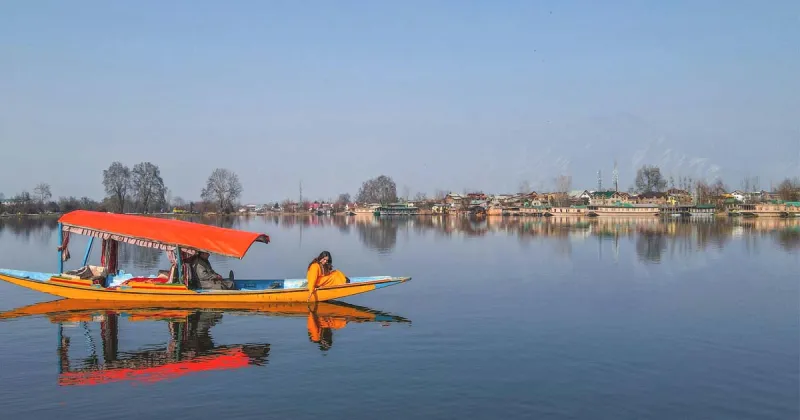
The first light of the sun touches the mountains. A thin layer of mist floats over the water. The lake appears almost motionless, reflecting everything around it like a mirror.
From a houseboat or lakeside stay, families often find themselves waking up earlier than usual — not because they have to, but because the atmosphere itself invites them to pause and observe.
For many, this is the first moment when the trip begins to feel truly special.
The Gentle Movement of Shikaras
As the morning unfolds, small shikara boats begin to appear on the lake.
They move slowly, without urgency, gliding across the water in a way that feels almost effortless.
Some carry local vendors. Others carry travellers beginning their day.
From a distance, the boats seem to float silently, creating soft ripples on the otherwise still surface.
For children, this sight often feels fascinating.
Boats moving like quiet pathways on water. Vendors arriving at your doorstep without a shop. A completely different way of life unfolding in front of them.
It feels simple, yet deeply memorable.
The Floating Life of the Lake
Dal Lake is not just a place to visit — it is a place where people live and work.
In the early hours, families can witness a unique side of Kashmir that is rarely captured in quick sightseeing schedules.
You may see:
• Vendors selling fresh vegetables from their boats • Flower sellers carrying colourful bundles across the water • Locals travelling between houseboats and markets • Fishermen beginning their day
Everything happens quietly, without interruption.
There is no sense of performance or rush — just a natural rhythm of life on the lake.
For families, especially children, this becomes an eye-opening experience.
It shows a different way of living, one that feels both simple and deeply connected to nature.
A Cup of Tea with a View You Don’t Forget
One of the simplest yet most memorable moments during a Dal Lake morning is sitting with a cup of tea while watching the lake.
There is something about the combination of:
• Cool mountain air • Soft sunlight • Still water • Distant mountain silhouettes
that creates a sense of calm rarely experienced in everyday life.
Families often sit together on the deck of a houseboat or near a window, sharing quiet conversations or simply observing the surroundings.
These moments may seem small at the time, but they often become the memories people hold onto long after the trip ends.
Why This Experience Feels So Different
Modern travel often involves movement.
Moving from one place to another. Covering multiple attractions. Following tight schedules.
A morning on Dal Lake is the opposite of that.
It encourages stillness.
There is nothing to achieve, nothing to complete, and nowhere to rush.
And that is exactly what makes it powerful.
For families, especially those coming from busy urban environments, this pause becomes refreshing.
It allows everyone to slow down — not just physically, but mentally.
Children Experience It in Their Own Way
While adults often appreciate the calm and beauty of Dal Lake mornings, children experience it differently.
They are curious about:
• Boats arriving at the houseboat • People living on water • The reflections in the lake • The quietness of the surroundings
They may ask questions, observe details, and engage with the environment in ways that feel natural to them.
Unlike structured activities, this experience gives children the freedom to observe and imagine.
And often, these are the experiences that stay with them the longest.
The Best Way to Experience a Dal Lake Morning
To truly experience a slow morning on Dal Lake, the way you plan your stay matters.
Families who rush through Srinagar or treat it as a transit point often miss this entirely.
A more thoughtful approach is to:
• Stay at least one night on a houseboat • Avoid early morning travel plans • Keep the first half of the day free • Allow time to simply sit and observe
This ensures that the morning is not interrupted by schedules or checklists.
The experience is not about doing something — it is about being present.
When Is the Best Time to Experience This?
Dal Lake mornings are beautiful throughout the year, but the experience can feel slightly different depending on the season.
During spring and summer:
• The weather feels pleasant • The lake is lively with movement • The mornings are bright and fresh
During autumn:
• The light feels softer • The surroundings appear golden • The atmosphere feels even calmer
Even in winter, when the air is colder, the lake holds a quiet beauty that feels deeply peaceful.
The essence of the experience remains the same — only the colours and temperature change.
Why This Moment Often Defines the Trip
After visiting multiple destinations in Kashmir — Srinagar, Gulmarg, Pahalgam — travellers often find that this simple morning becomes one of their strongest memories.
Not because it was the most exciting.
But because it was the most felt.
It is the moment when:
• The journey slows down • The surroundings become immersive • The experience feels personal
In many ways, this is when Kashmir reveals its true character.
A Reminder About Thoughtful Travel
A well-planned holiday is not just about covering places.
It is about creating space for moments like these.
Moments that are not scheduled, but experienced.
Moments that do not demand attention, but quietly stay with you.
For families, especially, these are the experiences that turn a trip into a memory.
Before You Plan Your Srinagar Stay
If a slow morning on Dal Lake feels like something you would value, the next step is to plan your stay in Srinagar thoughtfully.
Where you stay, how long you stay, and how you structure your itinerary can make a significant difference.
In our next guide, we explore:
How to plan a relaxed Srinagar stay that includes both houseboat experiences and comfortable hotel stays for families.
Because sometimes, the most meaningful part of a journey is not what you do — but how you experience it.