When families start planning a Kashmir trip, many turn to travel agents for convenience.
Packages look structured. Hotels are included. Sightseeing appears neatly organised.
At first glance, everything seems planned.
But once the trip begins, many travellers start noticing small gaps.
The itinerary feels rushed. Travel days feel longer than expected. Some experiences feel incomplete.
It’s not that travel agents are intentionally misleading.
In most cases, the issue is that itineraries are designed to look efficient on paper, not necessarily comfortable in reality.
Understanding these hidden gaps can help families plan a Kashmir trip that feels relaxed, not exhausting.
1. The Itinerary Looks Full, But Not Balanced
Most travel itineraries try to include as many places as possible.
Srinagar, Gulmarg, and Pahalgam are often all packed into a short duration.
On paper, this feels like good value.
But in reality, it often leads to:
• Short stays in each destination • Limited time to explore • Constant movement between places
The itinerary may look complete, but it is rarely well-balanced.
A comfortable trip is not about covering more — it is about spacing experiences properly.
2. Travel Time Is Underestimated
One of the most common gaps in itineraries is how travel time is presented.
Distances may seem short, but mountain roads, traffic, and local conditions can extend travel duration.
For example:
• Srinagar to Gulmarg may take around 2 hours • Srinagar to Pahalgam may take 2.5 to 3 hours
When these journeys are combined with sightseeing, the day becomes longer than expected.
Many travellers only realise this during the trip, when they feel the fatigue of back-to-back travel.
3. Srinagar Is Often Treated as Just a Stop
In many itineraries, Srinagar is seen as a base rather than a destination.
Travellers may:
• Arrive late • Leave early the next day • Miss a slow Dal Lake experience • Skip time for local markets and gardens
This is one of the biggest missed opportunities.
Srinagar is where the trip begins to feel immersive.
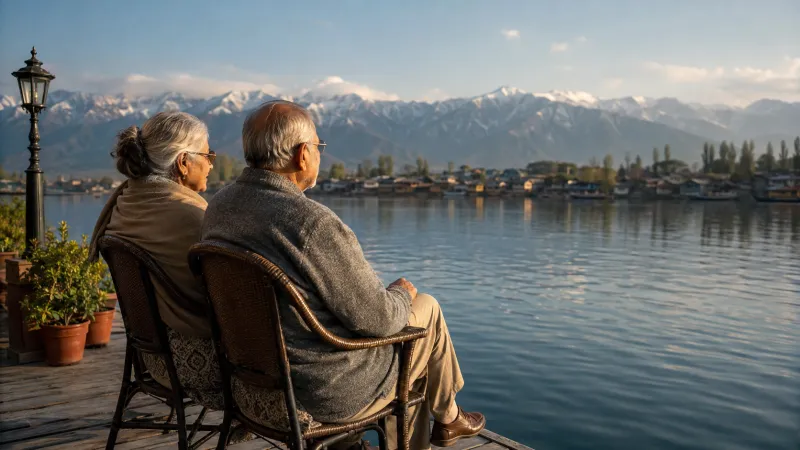
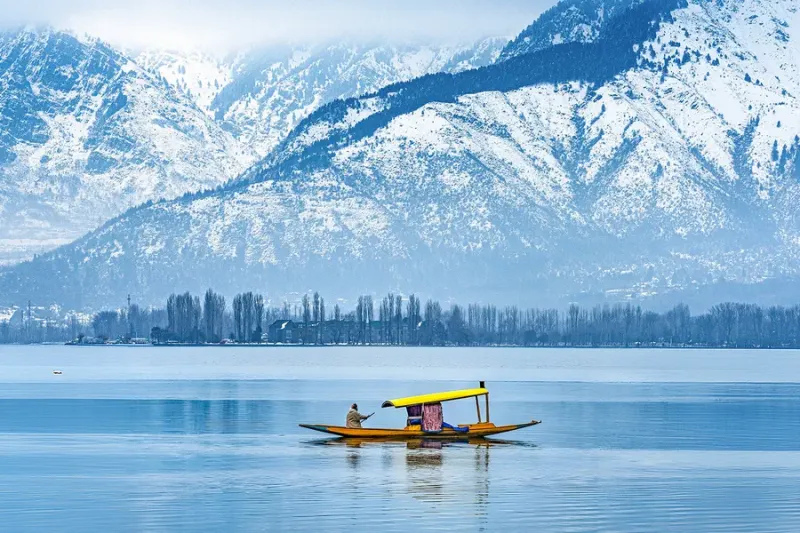
A relaxed shikara ride or a quiet morning on Dal Lake often becomes one of the most memorable parts of the journey — but only if time is planned for it.
4. Gulmarg Is Reduced to the Gondola
Gulmarg is often included in itineraries with a single focus:
The gondola ride.
While the gondola is an important experience, Gulmarg offers more than just that.
However, many itineraries:
• Allocate limited time • Focus only on the gondola • Do not allow time for exploring the landscape
As a result, Gulmarg becomes a quick activity stop rather than a place to enjoy.
5. Pahalgam Doesn’t Get Enough Time
Pahalgam is one of the most relaxing destinations in Kashmir.
But in many travel plans, it is either:
• Given only one night or • Rushed through without proper exploration
This is where the itinerary often feels unbalanced.
Pahalgam’s beauty lies in:
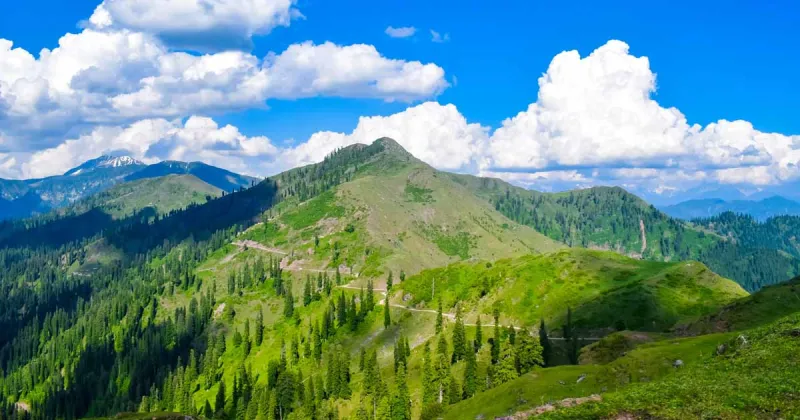
• Slow exploration • Time spent in valleys • Quiet moments by the river
Without enough time, the experience feels incomplete.
6. The Pace of the Trip Is Too Fast for Families
Travel agents often design itineraries to maximise coverage within a fixed number of days.
While this works on paper, it can feel overwhelming in reality.
Families may find themselves:
• Waking up early every day • Travelling long hours • Managing tight schedules
For travellers with children or elderly members, this pace can reduce comfort significantly.
A well-planned trip should feel manageable — not exhausting.
7. There Is No Space for Flexibility
Most itineraries are tightly structured.
Every day is planned. Every hour is accounted for.
While this provides clarity, it leaves no room for:
• Weather changes • Delays in travel • Spontaneous experiences
In destinations like Kashmir, flexibility is important.
Weather, road conditions, and local experiences can influence the day.
A rigid itinerary often struggles to adapt.
8. Hidden Costs Are Not Always Explained Clearly
Many travel packages include basic components like:
• Accommodation • Transport • Sightseeing
But certain costs are often not fully explained upfront.
These may include:
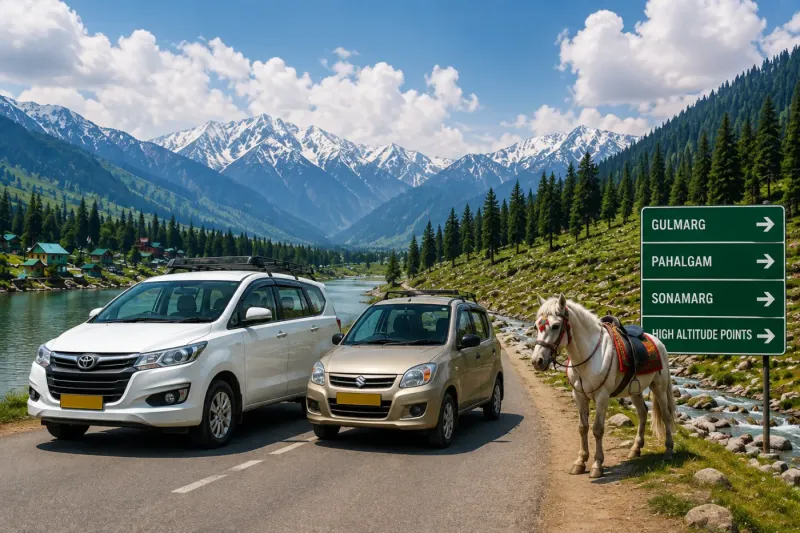
• Local taxi charges in places like Pahalgam • Gondola tickets in Gulmarg • Pony rides in valleys • Entry fees for gardens
While these are not necessarily hidden intentionally, they can affect the overall travel budget if not anticipated.
9. The Focus Is on Logistics, Not Experience
Travel agents are primarily responsible for arranging:
• Transport • Hotels • Sightseeing
But what is often missing is guidance on:
• How to pace the trip • Which experiences to prioritise • How to avoid travel fatigue
This is where travellers need more clarity.
Because a good trip is not just about logistics — it is about how the journey feels.
10. The Difference Between a Good Trip and a Great One
A standard itinerary ensures that:
• You visit key places • Your stay is organised • Travel is arranged
But a thoughtful itinerary ensures that:
• You have time to enjoy each place • You feel relaxed throughout the trip • You experience moments, not just locations
This difference is subtle, but it changes the entire experience.
What Families Should Do Differently
Instead of focusing only on the itinerary provided, families can take a more thoughtful approach.
Before finalising a plan, consider:
• How many hours of travel are there each day? • How much time is spent in each destination? • Are there rest periods between travel days? • Is there flexibility in the plan?
These questions help shift the focus from coverage to comfort.
A Better Way to Think About Kashmir Itineraries
Instead of asking:
“How many places can we cover?”
It helps to ask:
“How can we experience Kashmir comfortably?”
This often leads to:
• Fewer destinations • Longer stays • Better balance between travel and relaxation
And ultimately, a more enjoyable journey.
A Thought Before You Finalise Your Travel Plan
Kashmir is not a destination that needs to be rushed.
It is best experienced slowly — through its landscapes, its quiet moments, and its rhythm.
Understanding what most itineraries miss allows you to plan differently.
Not by adding more, but by planning more thoughtfully.
Before You Plan Your Kashmir Trip
If you are reviewing itineraries or considering a travel package, the next important step is:
How do you evaluate whether a Kashmir itinerary is actually well-designed?
What should you look for? What should you question? How do you ensure the trip feels comfortable for your family?
In our next guide, we explore how to choose the right Kashmir itinerary for a relaxed and well-planned holiday.